How Some Suppliers Cut Corners on Semi Trailer Manufacturing Without You Knowing in Tanzania: Hidden Risks Behind Low Prices
How Some Suppliers Cut Corners on Semi Trailer Manufacturing Without You Knowing in Tanzania
In rapidly growing logistics markets like Tanzania and across Africa, demand for semi trailers continues to rise. Infrastructure expansion, mining operations, and cross-border trade have created strong opportunities for transport businesses. However, alongside this growth comes a hidden challenge: not all semi trailers are built to the same quality standards.
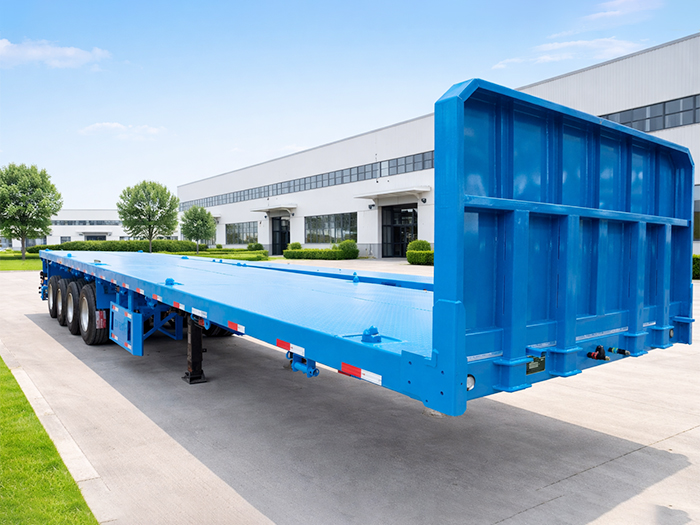
Many buyers are attracted by unusually low prices, only to discover later that the product does not match expectations. Behind these price differences often lie cost-cutting practices that are not immediately visible—but can have serious long-term consequences.
1. Steel Downgrade: From Q345B to Ordinary Mild Steel
One of the most common ways suppliers reduce costs is by replacing high-strength structural steel such as Q345B with ordinary mild steel. While both materials may look similar externally, their mechanical properties differ significantly.
Why Q345B Matters
Higher yield strength (≈345 MPa)
Better fatigue resistance for long-distance hauling
Improved load-bearing performance
Risks of Using Low-Grade Steel
Frame deformation under heavy loads
Increased risk of cracks and structural failure
Reduced service life, especially on rough roads
In regions like Tanzania, where road conditions can be challenging, using inferior steel dramatically increases operational risks.
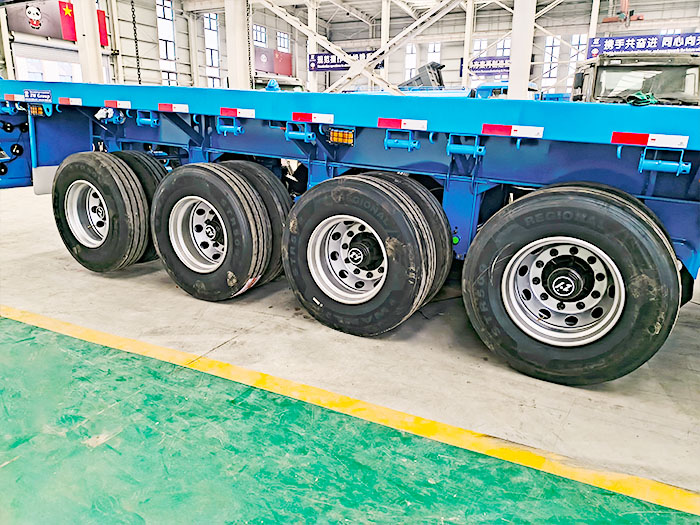
2. Axle Substitution: From BPW/FUWA to Non-Standard Factories
Axles are the backbone of any semi trailer. Reputable brands such as BPW and FUWA are globally recognized for durability and reliability. However, some suppliers replace them with low-cost, non-standard axles from small factories.
What Changes?
Lower load capacity than advertised
Poor heat treatment and material quality
Shorter lifespan of bearings and braking systems
This substitution is rarely disclosed clearly, and buyers may only realize the issue after repeated breakdowns.
3. Welding Quality Reduction
Welding is a critical factor in trailer durability, yet it is one of the easiest areas to compromise.
Common Cost-Cutting Practices
Reducing weld thickness
Skipping reinforcement points
Using unskilled labor instead of certified welders
High-quality welding ensures structural integrity under dynamic loads. Poor welding, on the other hand, leads to cracks, joint failures, and costly repairs.
4. Paint and Anti-Corrosion Layer Reduction
At first glance, a new trailer may look perfect. However, the paint system often hides one of the biggest quality differences.
What Reliable Manufacturers Do
Sandblasting before painting
Applying primer, intermediate, and top coats
Using anti-rust coatings for harsh environments
What Low-Cost Suppliers Do
Skip surface treatment
Apply only one thin paint layer
Use low-quality paint materials
The result? Rust can appear within months, especially in coastal or humid regions like East Africa.
5. The “Low Price Trap” in Tanzania Market
In competitive markets, some suppliers intentionally offer very low initial quotes to attract buyers. Once the order is confirmed, they reduce specifications to maintain profit margins.
This practice leads to:
Mismatch between contract and actual delivery
Hidden long-term operational costs
Loss of trust in suppliers
6. How to Identify a Reliable Semi Trailer Supplier
To avoid these risks, buyers should adopt a more structured evaluation approach:
Verify Material Certificates: Confirm steel grade documentation
Check Component Brands: Ensure axles, tires, and suspension meet specifications
Inspect Production Process: Request factory videos or third-party inspections
Review Case Studies: Look for proven exports to Africa or similar markets
Evaluate Transparency: Reliable suppliers clearly explain configurations
7. Why Quality Matters More in African Conditions
Operating conditions in Tanzania and surrounding regions are demanding:
Long-distance transportation routes
Variable road conditions
Heavy cargo loads
High temperatures and humidity
Under these conditions, high-quality manufacturing is not a luxury—it is a necessity.
Conclusion
Cutting corners in semi trailer manufacturing is a widespread but often hidden issue. From downgraded steel to substandard axles and insufficient corrosion protection, these practices can significantly impact performance, safety, and profitability.
For buyers in Tanzania and across Africa, the key is to look beyond price and focus on long-term value. A well-built trailer ensures reliability, reduces maintenance costs, and protects your business investment.
About ZW Group
ZW Group is a trusted global supplier specializing in high-quality semi trailers, heavy-duty trucks, and construction machinery. With extensive experience in African markets, we understand the real operating conditions and deliver equipment built for durability and performance.
Our product range includes:
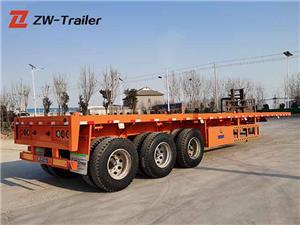
Flatbed semi trailers
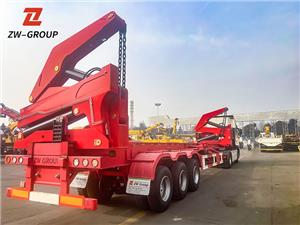
Lowbed trailers
Fuel tank trailers
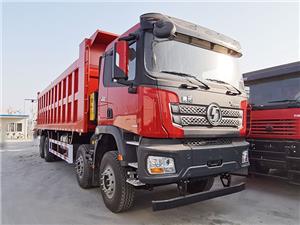
Dump trucks
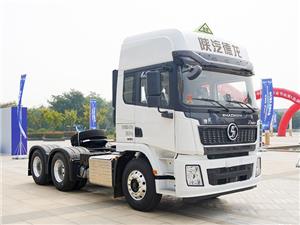
Tractor trucks
Construction machinery such as excavators and loaders
Every product is manufactured with strict quality control, using certified materials and reliable components to ensure long-term performance.
Looking for reliable semi trailers for Tanzania or Africa?
Contact ZW Group today for expert consultation or visit our website: