Full Drawbar Flatbed Trailer vs Standard Flatbed Semi Trailer: Complete Heavy Cargo Transport Comparison Guide
Full Drawbar Flatbed Trailer vs Standard Flatbed Semi Trailer: Which One Is Better for Heavy Cargo Transport?
Choosing the right trailer type is critical for logistics efficiency, fuel cost control, and cargo safety. This guide compares two widely used solutions in heavy transport: the full drawbar flatbed trailer and the standard flatbed semi trailer.
1. Overview of Both Trailer Types
Full Drawbar Flatbed Trailer
A full drawbar flatbed trailer uses a rigid towing bar (drawbar) and often operates in multi-trailer combinations. It is commonly used in mining, agriculture, and bulk cargo industries where high payload efficiency is required.
Standard Flatbed Semi Trailer
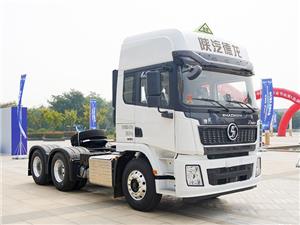
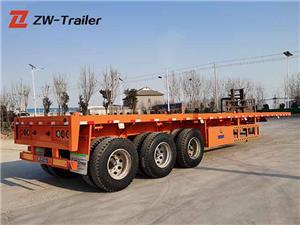
A standard flatbed semi trailer connects directly to a tractor unit using a fifth wheel coupling. It is one of the most common transport solutions for general freight, containers, and industrial cargo.
2. Key Differences Comparison
| Feature | Full Drawbar Flatbed Trailer | Standard Flatbed Semi Trailer |
|---|---|---|
| Load Capacity | Higher in combined configurations | Moderate to high |
| Fuel Efficiency | More efficient per ton in bulk transport | Standard efficiency |
| Maneuverability | Less flexible in tight urban areas | Highly flexible and widely usable |
| Maintenance Cost | Moderate (depends on configuration) | Widely available parts, lower downtime |
| Best Use Case | Mining, agriculture, long-distance bulk transport | General logistics, container transport, construction |
3. Which One Is Better for Heavy Cargo Transport?
The answer depends on your logistics operation model:
Choose Full Drawbar Flatbed Trailer if you need maximum payload efficiency, long-haul bulk transport, and reduced cost per ton.
Choose Standard Flatbed Semi Trailer if you need operational flexibility, frequent route changes, and compatibility with global logistics systems.
4. Based Industry Insight
In real-world logistics operations, fleet operators often combine both trailer types. Large-scale mining companies prefer drawbar systems for high-volume transport efficiency, while international freight companies rely on semi trailers for port-to-port flexibility.
Industry data shows that optimizing trailer selection can reduce logistics costs by 12%–28% depending on route structure and load density.
5. Conclusion
Both trailer types serve critical roles in modern logistics. The best choice depends on cargo type, route conditions, and operational scale. A balanced fleet strategy often delivers the highest long-term ROI.
FAQ
What is the main advantage of a drawbar flatbed trailer?
Its main advantage is higher transport efficiency for bulk cargo, especially in long-distance operations.
Is a semi trailer easier to operate?
Yes, standard flatbed semi trailers are generally easier to maneuver and more compatible with global trucking systems.
Can both trailer types be used together?
Yes, many logistics companies use a mixed fleet to optimize cost, flexibility, and cargo capacity.